
You may be visiting the State of South Carolina on vacation, coming here for business, just got your driver’s license, or maybe you just need to refresh your driving knowledge. Whatever your situation, you can read more below about several South Carolina highway laws and get driving tips to help you stay safe and informed when driving in South Carolina.
South Carolina Motor Vehicle Laws and Safety Information
Please note that not all of South Carolina’s motor vehicle laws are listed, nor are they reproduced in their entirety and the wording used is not identical. The summaries below are intended as a public information service and are not a substitute for consulting the South Carolina Code of Laws as amended.
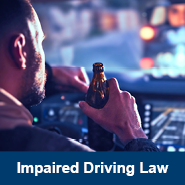 Impaired Driving Law - In South Carolina, driving under the influence (DUI) is defined as operating a vehicle while impaired by alcohol or drugs, with penalties that escalate for repeat offenses. Read more about South Carolina's driving under the influence laws.
If you would like additional information on our sober driving safety campaign, visit our Sober or Slammer page.
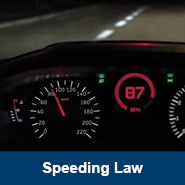 Speeding Law - Driving too fast is dangerous for everyone on the road. In South Carolina, speeding is one of the top five reasons for serious collisions and deaths on the road. And for more than twenty years, about one out of every three deaths from car collisions in the United States have involved speeding, according to the National Highway Safety Traffic Administration. In South Carolina, speed limits and the respective fines are specified in the South Carolina Code of Laws Section 56-5-1520. Read more about the dangers of speeding.
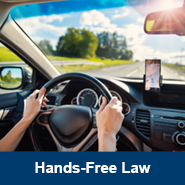 Hands-Free and Distracted Driving Law - Under the Hands-Free and Distracted Driving law, drivers are not allowed to hold or support a mobile device with any part of their body,* Use a mobile device to read, compose, or transmit texts, emails, app interactions, or website information; or Watch motion on a mobile device, including a video, movie, game, or video call. *This does not prohibit the use of an earpiece or device worn on the wrist used for voice-based communication. Read more about South Carolina's Hands-Free and Distracted Driving Law.
If you would like additional information on hands-free safety, visit our Hands Free SC page.
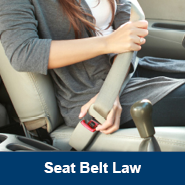 Seat Belt Law - South Carolina has a primary safety belt enforcement law. Under the primary law, a law enforcement officer has the authority to stop a driver if the officer has a clear and unobstructed view of a driver or occupant of a motor vehicle not wearing a safety belt or not secured in a child restraint system. Read more about South Carolina's seat belt laws here.
If you would like additional information on seat belt safety, visit our Buckle Up South Carolina page.
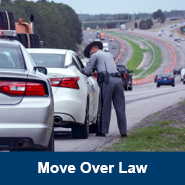 Move Over Law - South Carolina’s Move Over Law requires drivers take specific actions to ensure the safety of emergency responders, law enforcement, and roadside workers when nearing stopped vehicles with flashing emergency lights. Drivers must slow down and yield the right-of-way by making a lane change into a lane away from the authorized emergency vehicle, if traffic conditions permit. Read more about South Carolina's Move Over Law and what to do if you encounter a stopped emergency vehicle.
 Move Right Law - South Carolina state law requires drivers to only use the far-left hand lane on controlled-access highways when overtaking and passing another vehicle. Controlled-access highways most commonly means interstate highways, but other examples include South Carolina Highways SC-22, SC-31 and SC-277. Read more about South Carolina's Move Right Law.
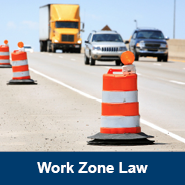 Driving in Work Zones - When approaching a work zone, watch for signs, cones, barrels, large vehicles, and workers. Work zone signs have orange backgrounds and black letters or symbols. Always reduce your speed in a work zone, even if there are no workers. The narrower lanes and rough pavement can create hazardous conditions. If you endanger a highway worker you may be fined and have points assessed against your driving record. Read more about South Carolina's Work Zone Law and what to do when driving in a work zone.
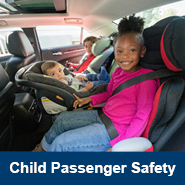 Child Passenger Safety - South Carolina law requires every driver of a motor vehicle operated on the highways and streets of the state to properly secure every child under 8 years old in the vehicle in an appropriate-sized child passenger restraint system. Read more about South Carolina's child passenger laws and get more child passenger safety information.
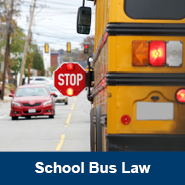 School Bus Safety - In South Carolina, you must always stop on any highway when you are behind a school bus with red flashing lights and the stop arm extended. You must not proceed until the red lights are no longer flashing and the bus begins to move again. Read more about South Carolina's laws when driving around school buses and get more information on school bus safety.
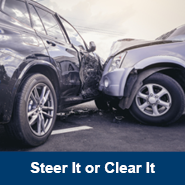 Minor Collision with No Injuries - If a disabled vehicle or a vehicle involved in an accident resulting only in damage to a vehicle is obstructing traffic, the driver of the vehicle shall make every reasonable effort to move any vehicle that is capable of being driven safely off the roadway so as not to block the flow of traffic. Read more about South Carolina's minor collision law.
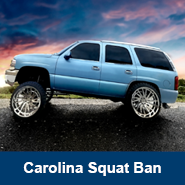 Carolina Squat Ban - It is illegal to operate a "squatted" vehicle on South Carolina roads. "Squatted" vehicles include those with a front or rear fender raised four or more inches higher than the other. Read more about South Carolina's Carolina Squat Law here.
South Carolina Laws for Vulnerable Roadway Users
Bicyclists, pedestrians and operators of golf carts and mopeds are known as vulnerable roadway users because they are more vulnerable on the road than other vehicles. As a motorist, you must be on the lookout for individuals who may not be in a commercial or passenger vehicle. Review the links below for information and laws specific to other types of roadway users.
 Pedestrian Laws - Drivers are encouraged to share the road and be on the lookout for pedestrians, especially on rural roadways. Pedestrians can be difficult to see – especially at night. Read South Carolina's pedestrian laws and get pedestrian safety information.
 Bicycle Laws - Drivers are encouraged to share the road and be on the lookout for bicyclists because they are smaller than motor vehicles and are often more difficult to see. These characteristics make them more vulnerable when riding on the road. Read South Carolina's bicycle laws and get bicycle safety information.
 Golf Cart Law - Just because a golf cart is “street legal” doesn’t mean it’s legal to drive on any street, at any time, by any person. Read South Carolina's Golf Cart Law.
 Moped Law - If you are riding a moped, it's important to know the laws before you get on the road. As you see mopeds on the road, remember — these vehicles move at much lower speeds. Slow down on approach and pass with caution. Read South Carolina's Moped Law.
 UTV Law - Effective November 18, 2026, a new South Carolina state law will make utility terrain vehicles (UTVs or side-by-sides) eligible to legally operate on certain public roads in South Carolina once specific requirements are met. Until November 18, 2026, operating UTVs on the road is illegal and subject to citation. Read South Carolina's more about the state's upcoming UTV Law.
Safe Driving Tips
Be aware that road conditions are constantly changing due to weather and other factors. Read the general tips below to help you stay safe as you travel around South Carolina.
- Driving in the rain
Always be mindful of standing water that can cause you to lose traction and control of your vehicle. You should turn on headlamps when it is raining. If your vehicle skids out of control, then steer in the direction of the skid. If you see water covering the roadway, don’t try to cross it as it may be too deep and your vehicle could stall in the water.
- Driving in fog or smoke
When fog or smoke is present, turn on headlamps (daytime) and on low beam at night. High beam headlamps should not be used at night in foggy or smoky conditions because the fog can get reflected back to the source, thus making it more difficult to see. The white line on the right side of the roadway is for use as a guide during foggy conditions and can prevent you from going off the right side of the road
- Driving in Work Zones
Workers building and modifying our highways and bridges must be protected while doing their work. When approaching work zones, slow down to allow for any unforeseen circumstances such as sudden stops in traffic or workers having to enter the roadway. The heavy equipment they use is dangerous to motorists as it frequently enters the road from various points along the work zones routes.
- Driving around aggressive drivers
If you encounter someone who is driving recklessly or aggressively, slow down to allow him/her to go around you and keep a safe distance. Never try to “compete” or take a stand against that person; just let them go and stay clear of them.
- Driving when a tire blows out
Have a good grip on the steering wheel and allow your car or motorcycle to coast to a stop and try to get off the main traveled portion of the roadway. Do not brake or speed up to get out of the way of other motorists as this may cause your vehicle to crash.
- Driving during winter weather
Winter conditions call for a different kind of driving than normal weather - slower speed, slower acceleration, smoother steering, and slower braking. We encourage everyone to stay off the roads until inclement weather has passed. However, if it is absolutely necessary to travel during a winter storm, follow the tips on our winter weather driving page here.